Occupational health guides
Practical guides to occupational health records, health surveillance, fitness-to-work and compliance. Every claim is checked against primary sources.
Health records and compliance
GDPR and workforce health data: what employers may process
What the GDPR lets employers do with workforce health data: the two legal tests, who may see what, DPIAs, and a checklist for multi-country teams.

Does HIPAA apply to employee health records?
HIPAA rarely covers the health records an employer holds. When it does apply, and what OSHA, the ADA and the GDPR require instead.

Occupational health statistics 2026: injuries and ill health
The latest occupational health statistics for the US, Great Britain, the EU and the world: injuries, ill health, deaths and costs, each with its source.

Employee health records vs personnel files: keep them apart
What belongs in the personnel file, what belongs in the medical file, and who may see each under US, UK and EU rules.

How long to keep occupational health records: US, UK, EU
Occupational health records retention by country: OSHA's 30-year rules, 40 years in Great Britain and the EU, and a checklist for multi-country employers.

Contractor health records: who keeps them on shared sites
Who runs health surveillance and keeps contractor health records under OSHA, COSHH and EU law, with a responsibilities table and a contract checklist.

OSHA employee medical records: retention and access rules
OSHA requires employers to keep exposed workers' medical records for employment plus 30 years. What counts, who can see them, and how to stay auditable.
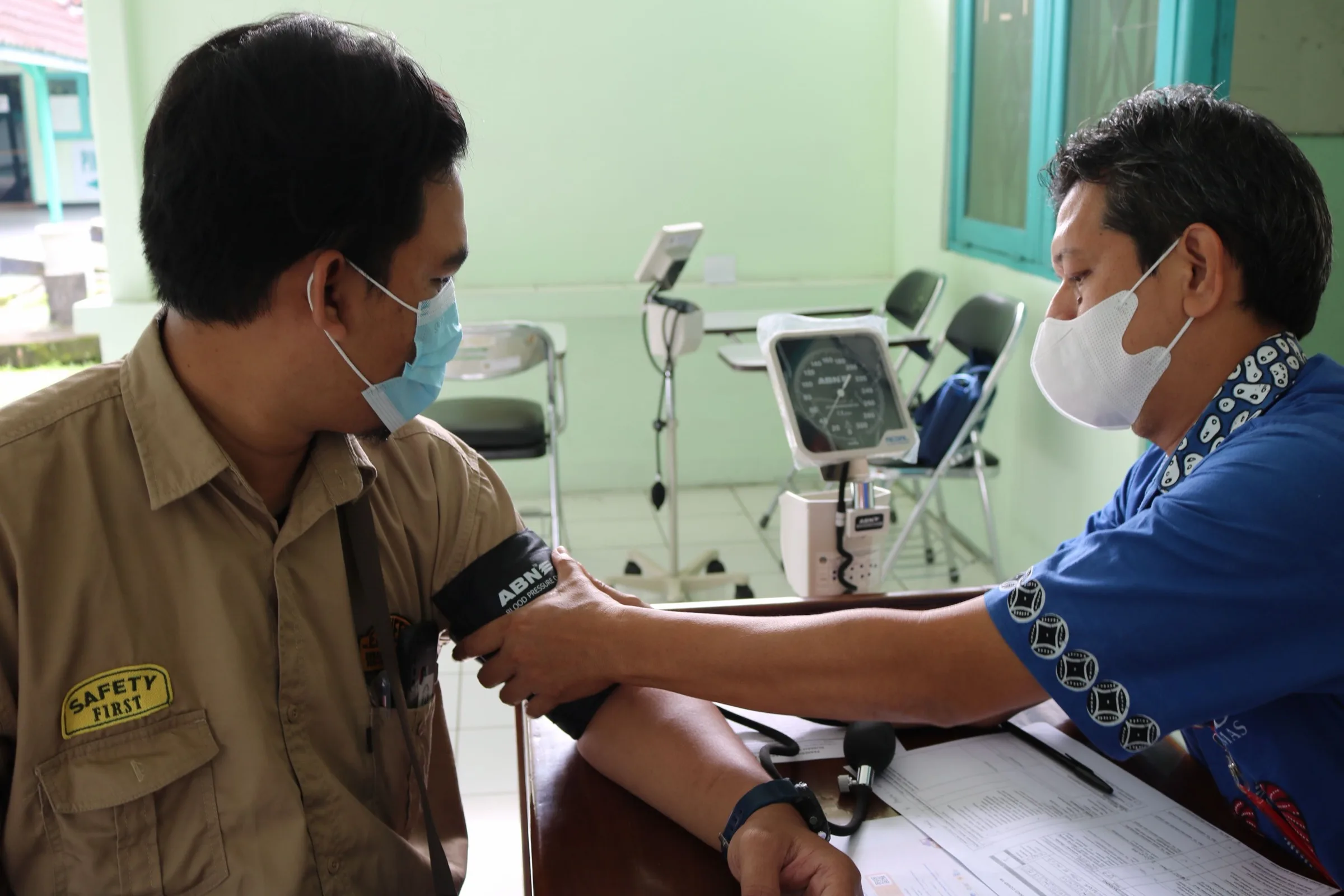
Health surveillance
Silica medical surveillance: what OSHA requires
Silica medical surveillance under OSHA: who must be offered exams, what they include, how often, what the employer receives, and how long to keep records.

Medical surveillance program: build it by exposure group
How to build a medical surveillance program across sites: exposure groups, the OSHA standards that trigger exams, written opinions and records.

Hearing conservation program: OSHA 1910.95 audiometry guide
OSHA requires a hearing conservation program at an 85 dBA 8-hour TWA in general industry. Audiometric testing, STS follow-up, records, multi-site tips.

Occupational health software
Occupational health records migration: a 10-step checklist
How to move occupational health records off Excel and paper without breaking retention, access or confidentiality rules: a 10-step checklist.

Why hospital EHRs struggle with occupational health
Hospital EHRs are built for patient care under one provider. Occupational health needs a record built around the worker, the exposure and the employer.
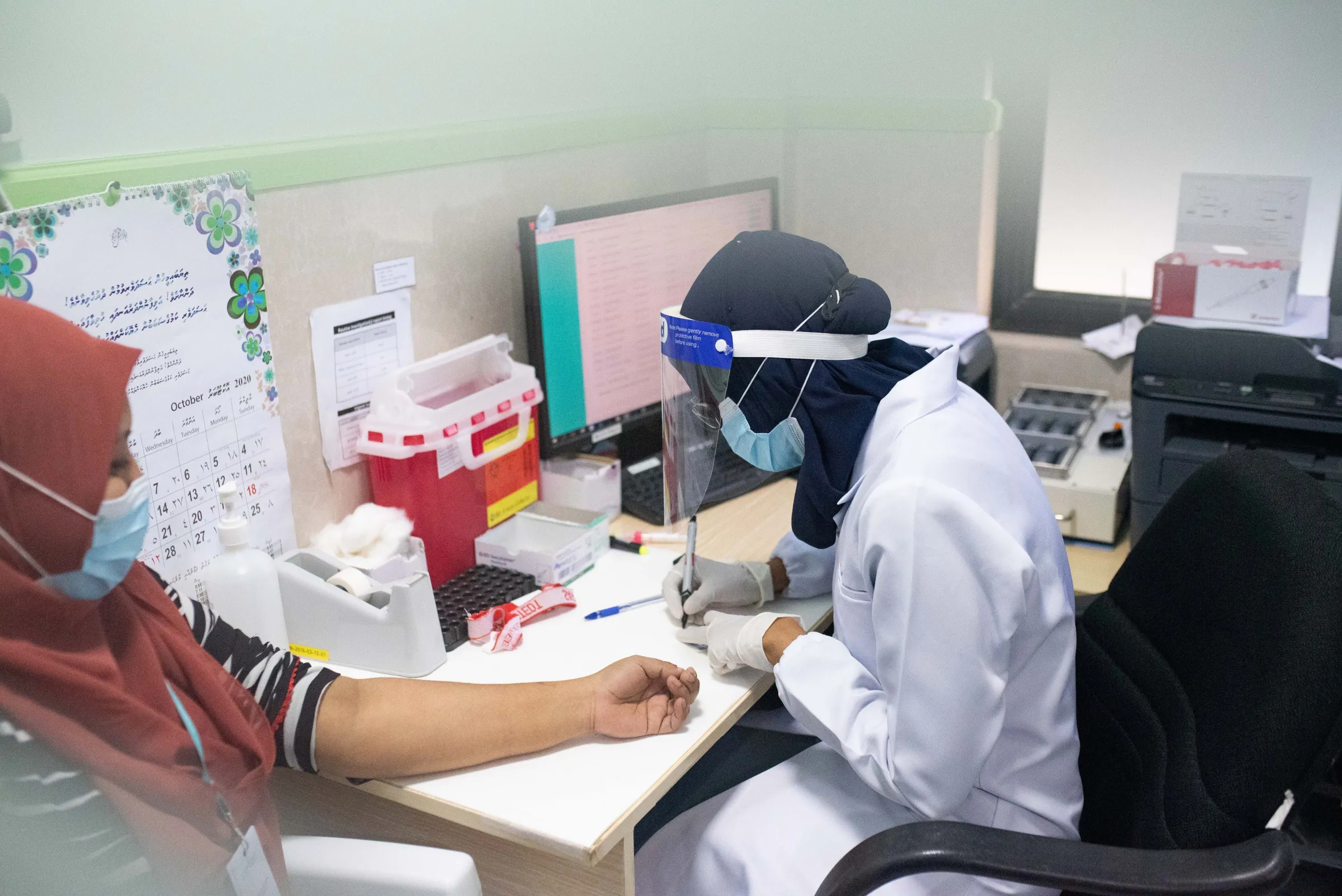
EMR vs EHR in occupational health: which one do you need?
EMR vs EHR in occupational health: what each term means, why the record must follow the worker, and a checklist for choosing software.

Better health starts with better health data
Help your teams deliver better care, identify health risks earlier, and focus prevention where it matters most.