The exposure record that stands for decades
Surveillance run by role and exposure, hygiene data linked to every worker, and one record across sites, rotations and contractors: the evidence that still holds when a claim arrives a decade on.
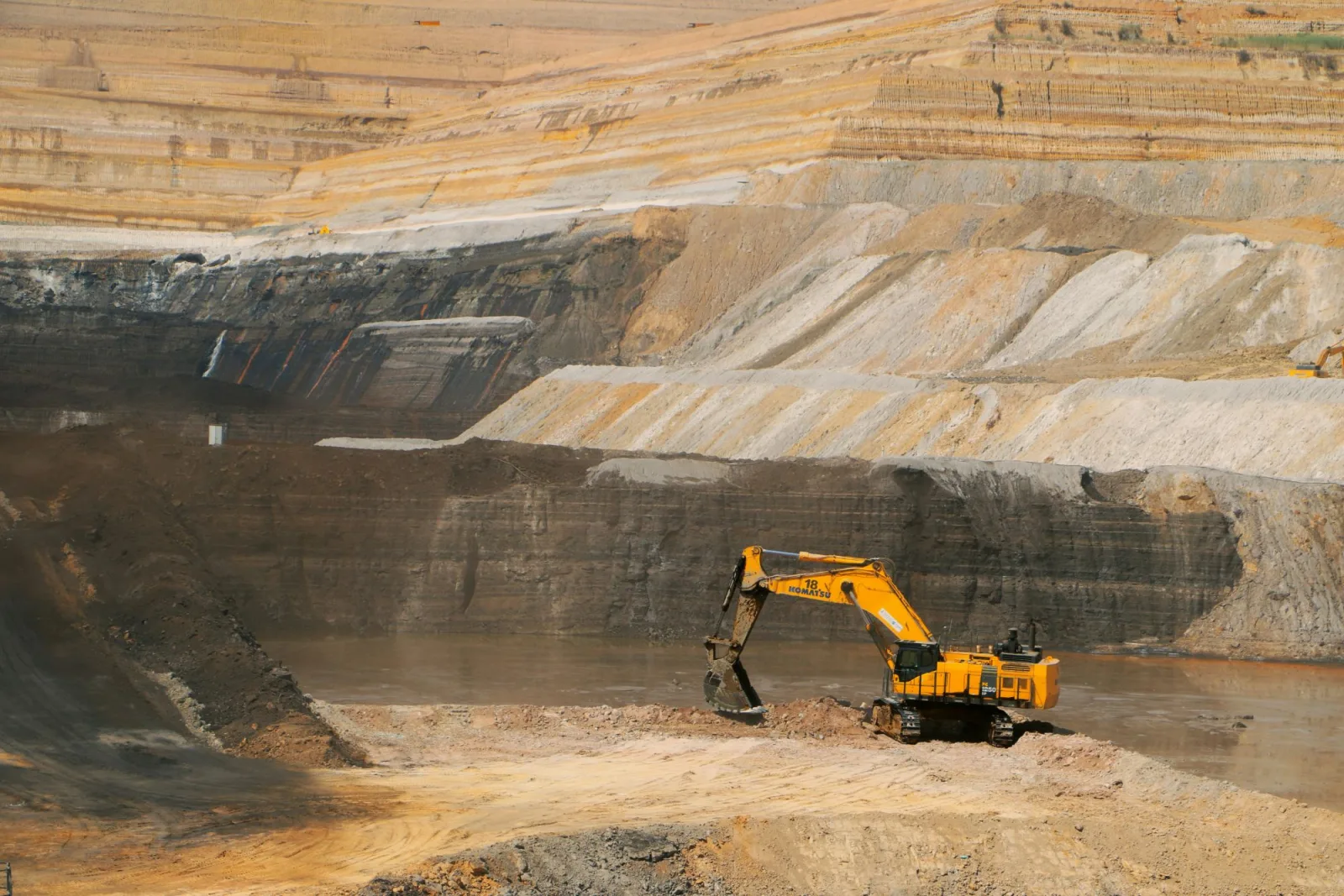 Photo: Abdul Basit
In mining, the health liability arrives years after the exposure
Dust, noise, vibration, chemicals and heat do their damage slowly. Injuries are falling, but occupational disease is where mining's health cost compounds: the diagnosis can come a decade after the exposure, and the claim follows it.
6,183
recordable injuries at ICMM member companies in 2025, the fewest since 2008, in a year that still counted 39 deaths
ICMM, 2025 safety performance
$165 million
paid to gold mineworkers with silicosis or TB under South Africa's settlement, 17% of claims so far
Tshiamiso Trust, June 2026
10+
years of exposure before chronic silicosis, the most common form, usually appears
NIOSH, Centers for Disease Control and Prevention
Prove workforce health across every mine
Answer for every worker on the lease, employee or contractor
- Set the surveillance standard at group, deploy it by site and country
- Keep one record per worker across sites, rotations and contractors
- Hold exposure and fitness records for decades
59%
of hours worked at ICMM member companies are worked by contractors
ICMM benchmarking safety data, 2025 data
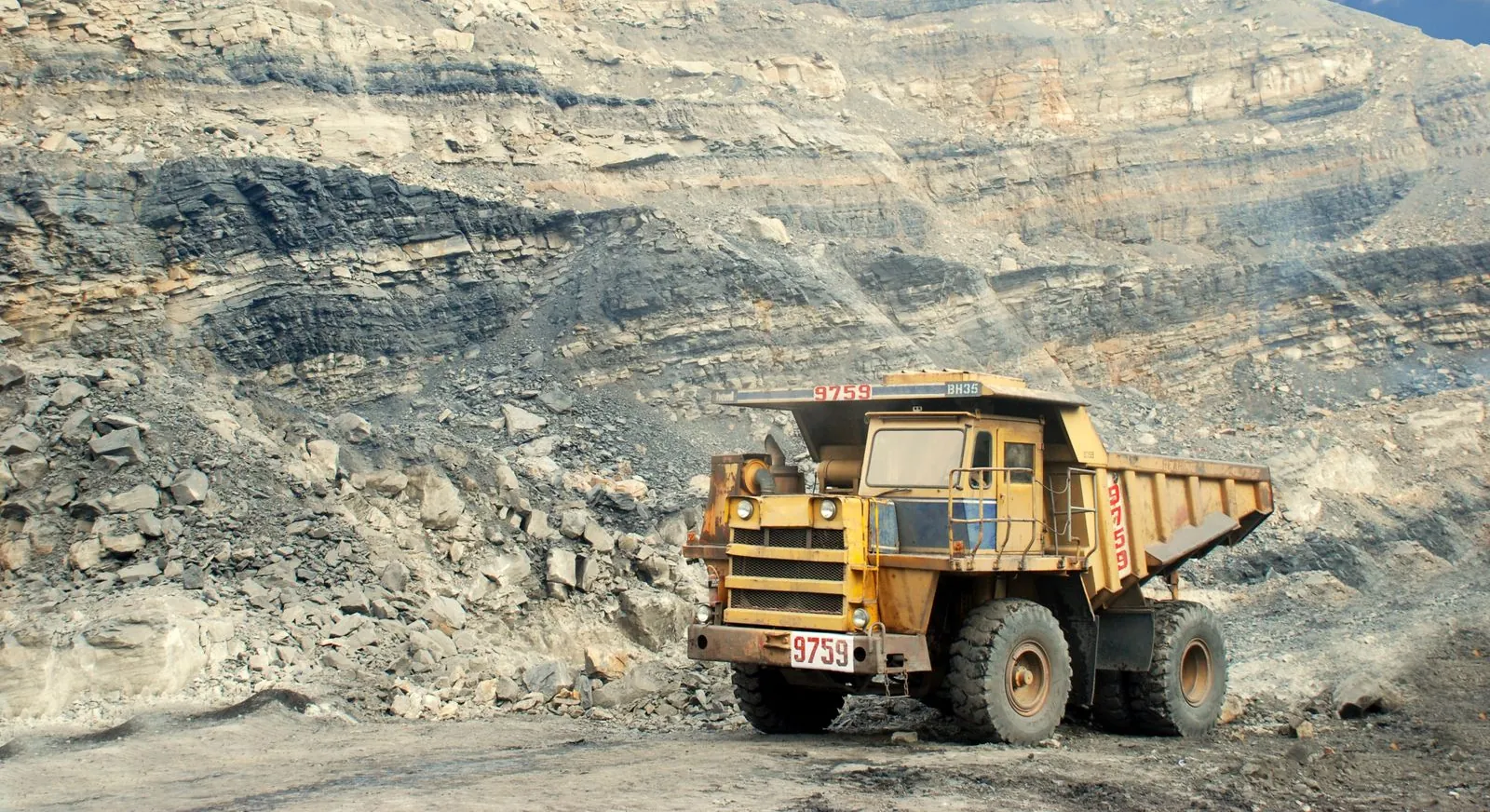
Surveillance run by role and exposure, lapses seen first
- Schedule audiometry, spirometry, silica and diesel particulate programs by exposure group
- Link hygiene monitoring to the person, role, site and period
- See a shift in lung function or hearing at the next exam
1 in 5
long-tenure coal miners in central Appalachia show evidence of black lung
NIOSH, 2018
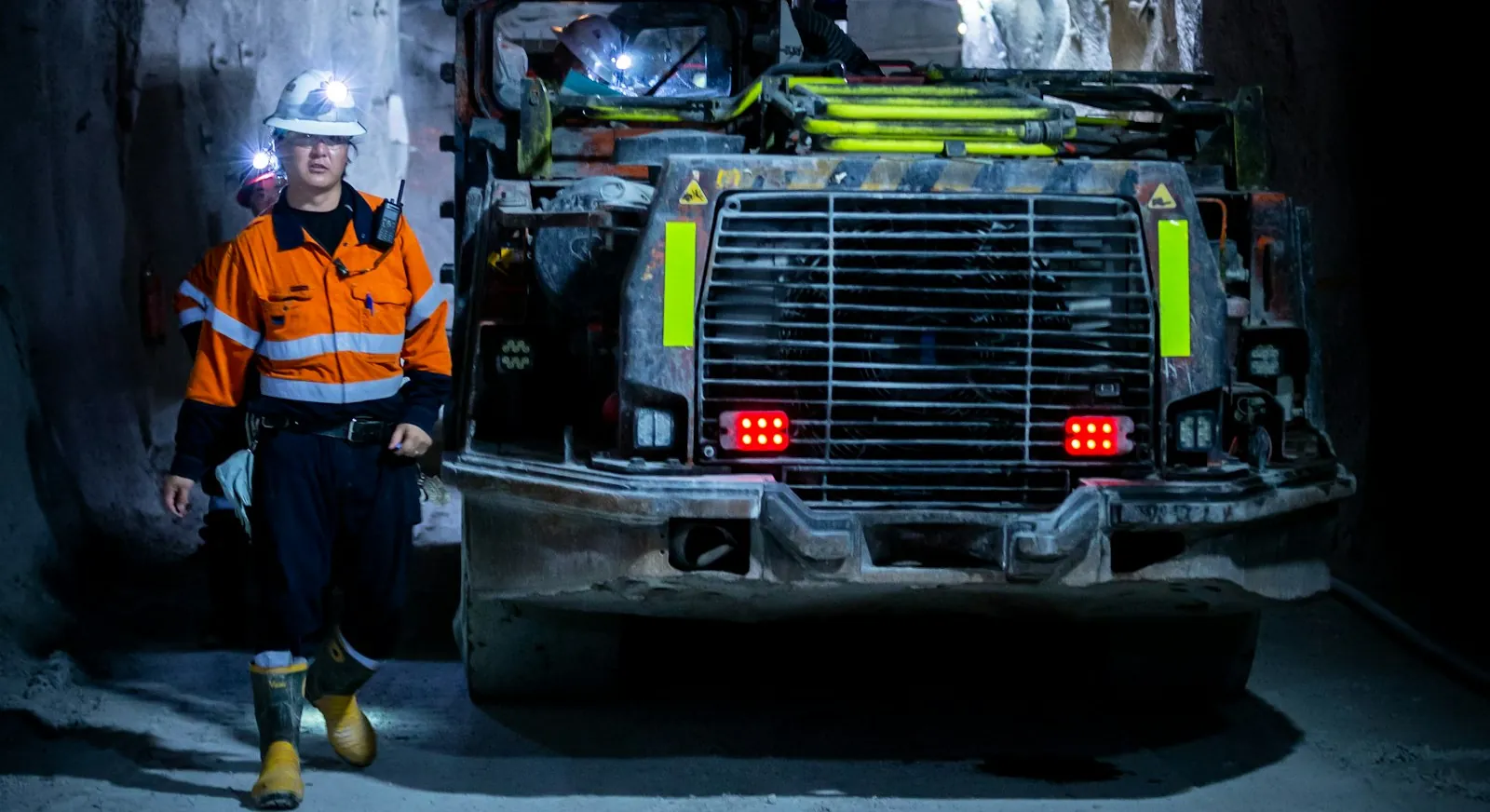
Often the only healthcare the workforce has, days from a hospital
- Treat the conditions local hires arrive with, not only the job's
- Care for heat, altitude and malaria risk with the full history open
- Escalate to a doctor or a medevac with the case attached
33%
of fly-in fly-out workers report high or very high psychological distress, against 17% in a comparison group
Curtin University for the WA Mental Health Commission, 2018
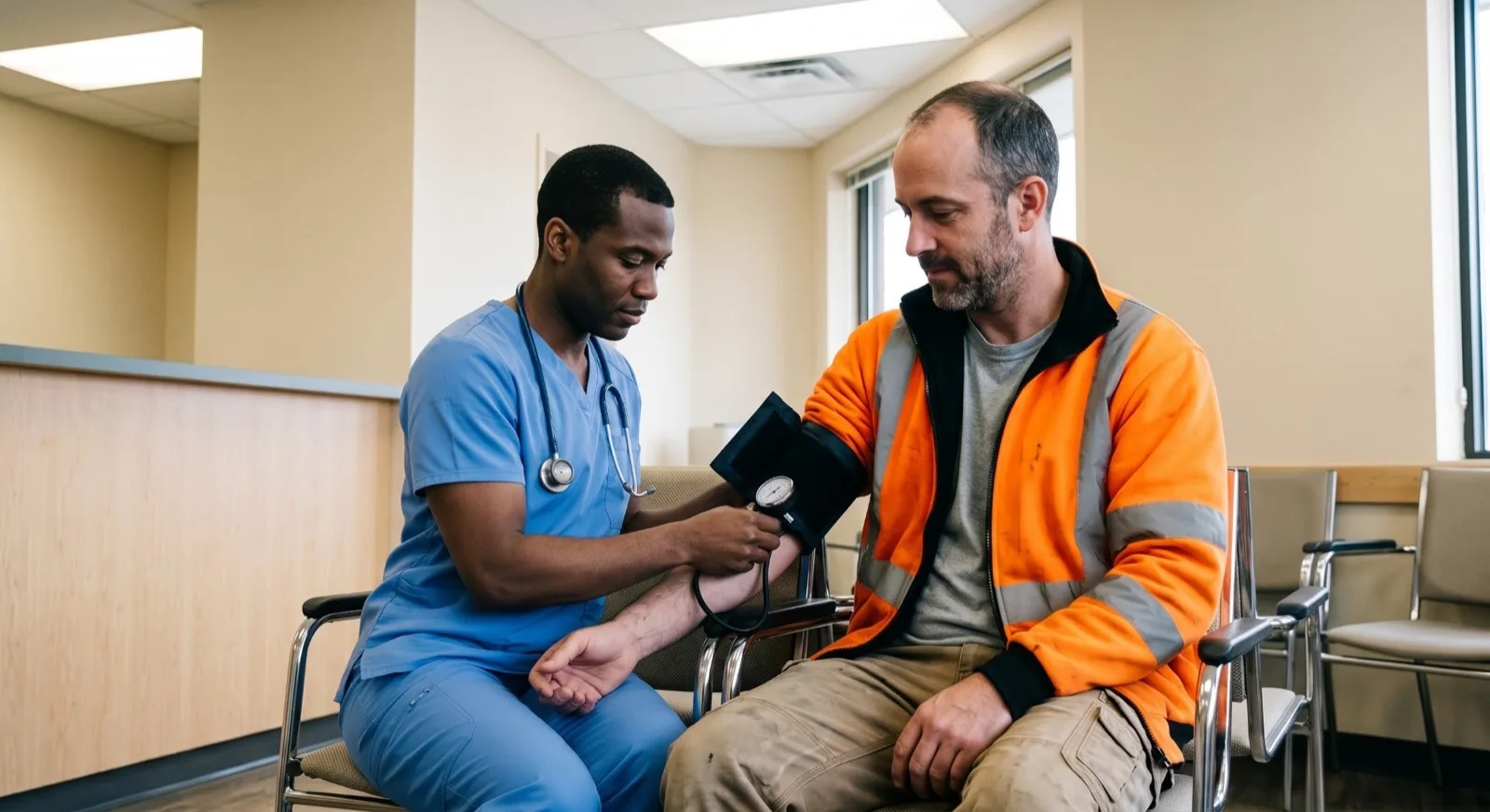
One standard set by group medical, deployed by every site
Deployed with operators across mines, processing plants and remote operations. Every exam, exposure and fitness-to-work decision lands in one record per worker, and reads at group level as anonymized trends.
Explore the platformElectronic Health Record
One record that follows the miner, not the mine
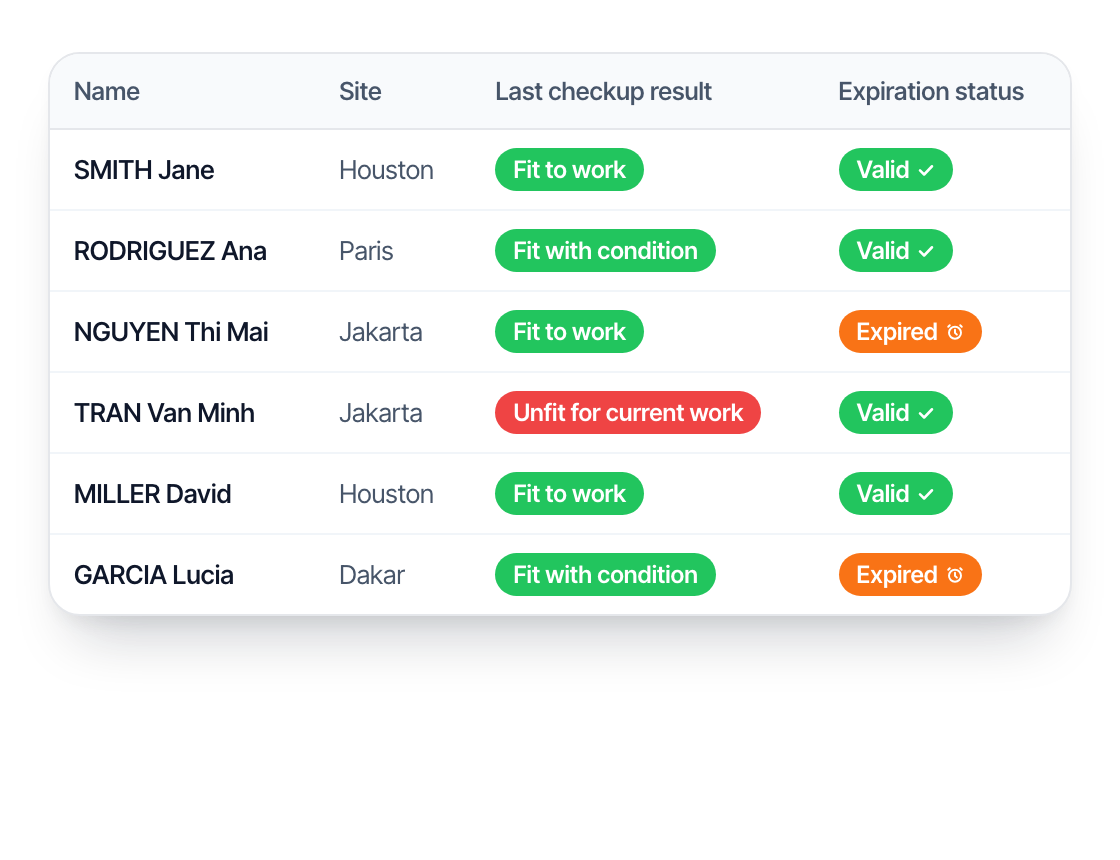
Employees and contractors keep the same health record across sites, shifts and rotations. The exposure history behind a claim a decade on is in it, linked to the person, role, site and period.
Occupational health
Surveillance set by exposure, not by calendar
Pre-placement exams, periodic surveillance and medical certificates with expiry alerts per worker and per site. Spirometry, audiometry and chest X-ray results stay comparable for decades.
Primary care
Run the clinic that is often the workforce's only healthcare
Consultations, tests, chronic disease follow-up, prescriptions and sick leaves for a workforce drawn from communities with a high untreated disease burden, inside the fence or out.
Case management
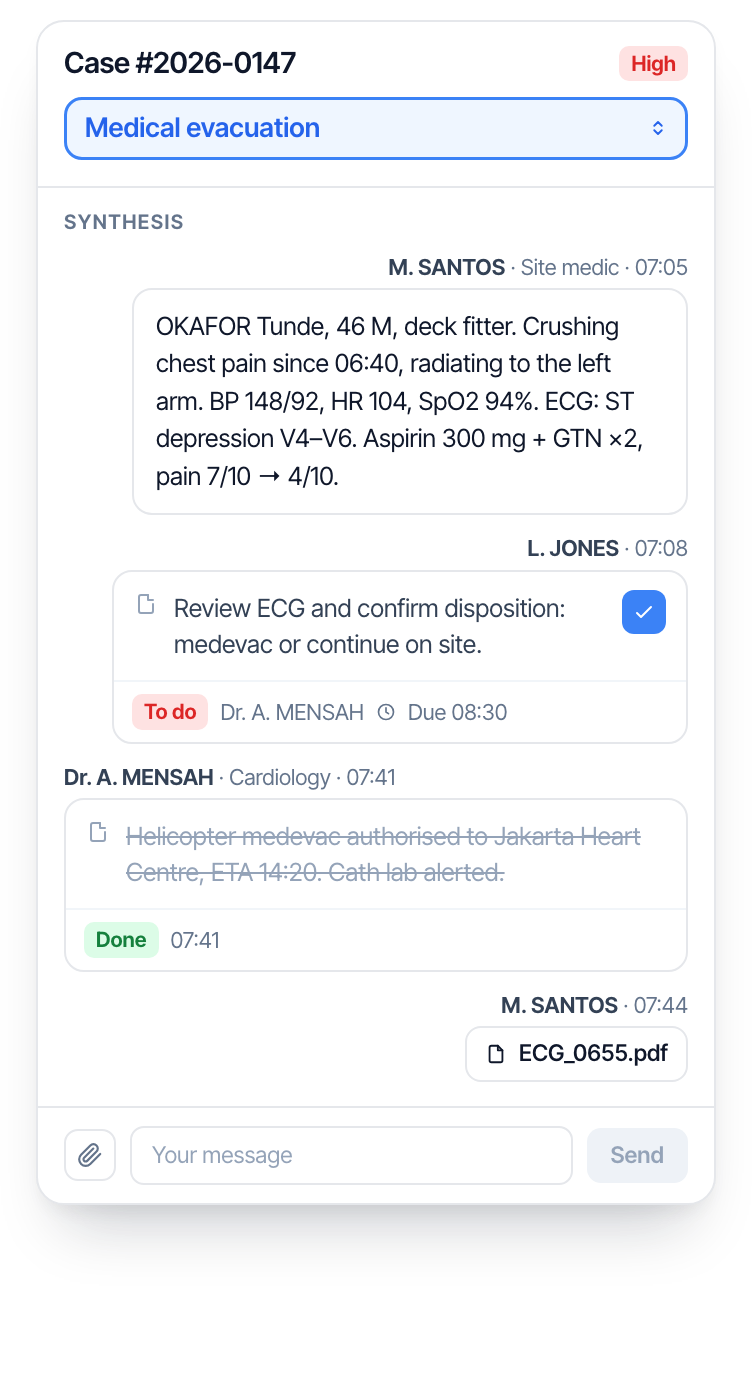
Share the record for medevac or expertise
Escalate to a doctor or a medical evacuation with the full history attached, and every step recorded until the case is closed.
Clinical governance
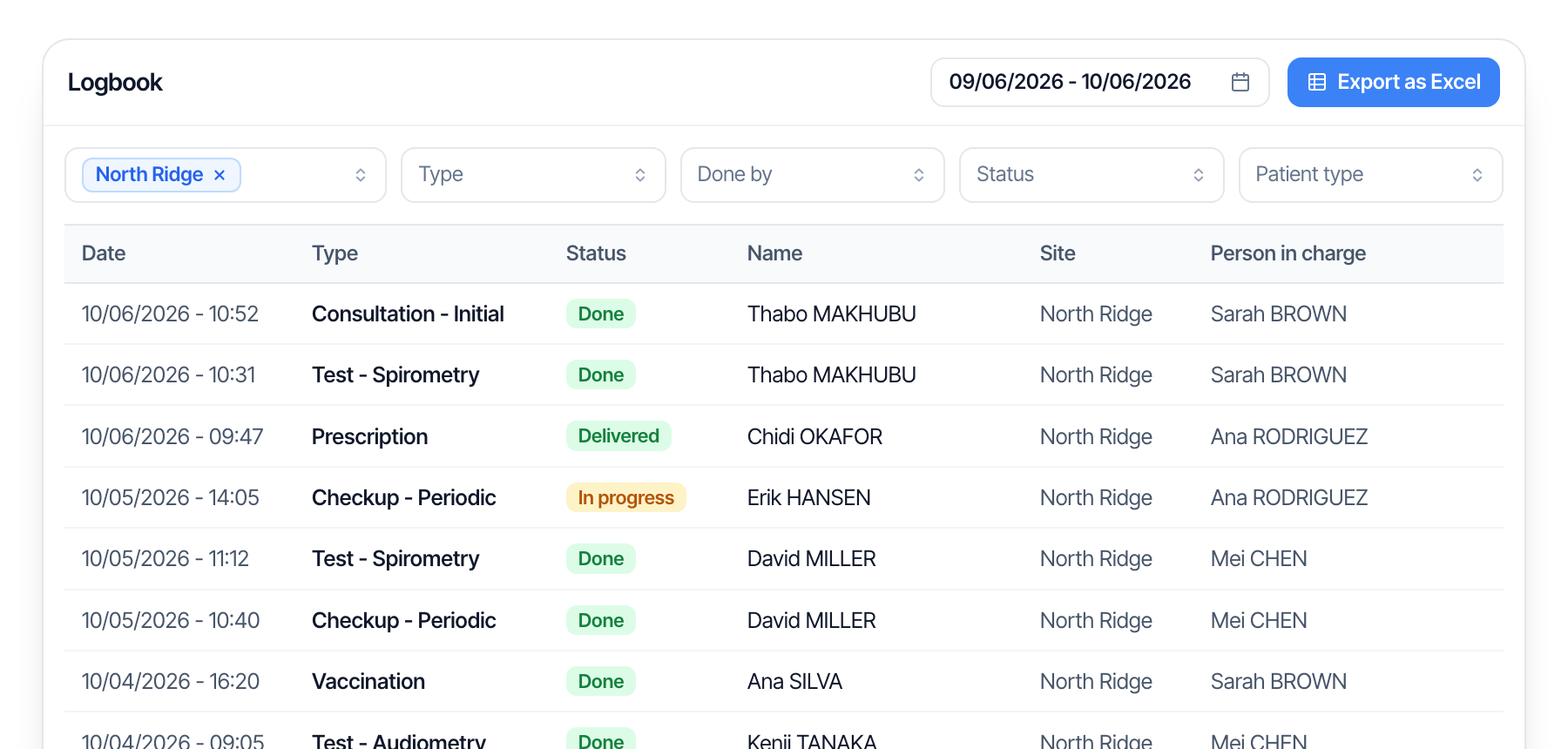
The evidence legal, insurers and ESG reporting ask for
What was assessed, what was found and what was done, recorded at the time and held for decades.
Pharmacy
Cut the cost of medication and equipment
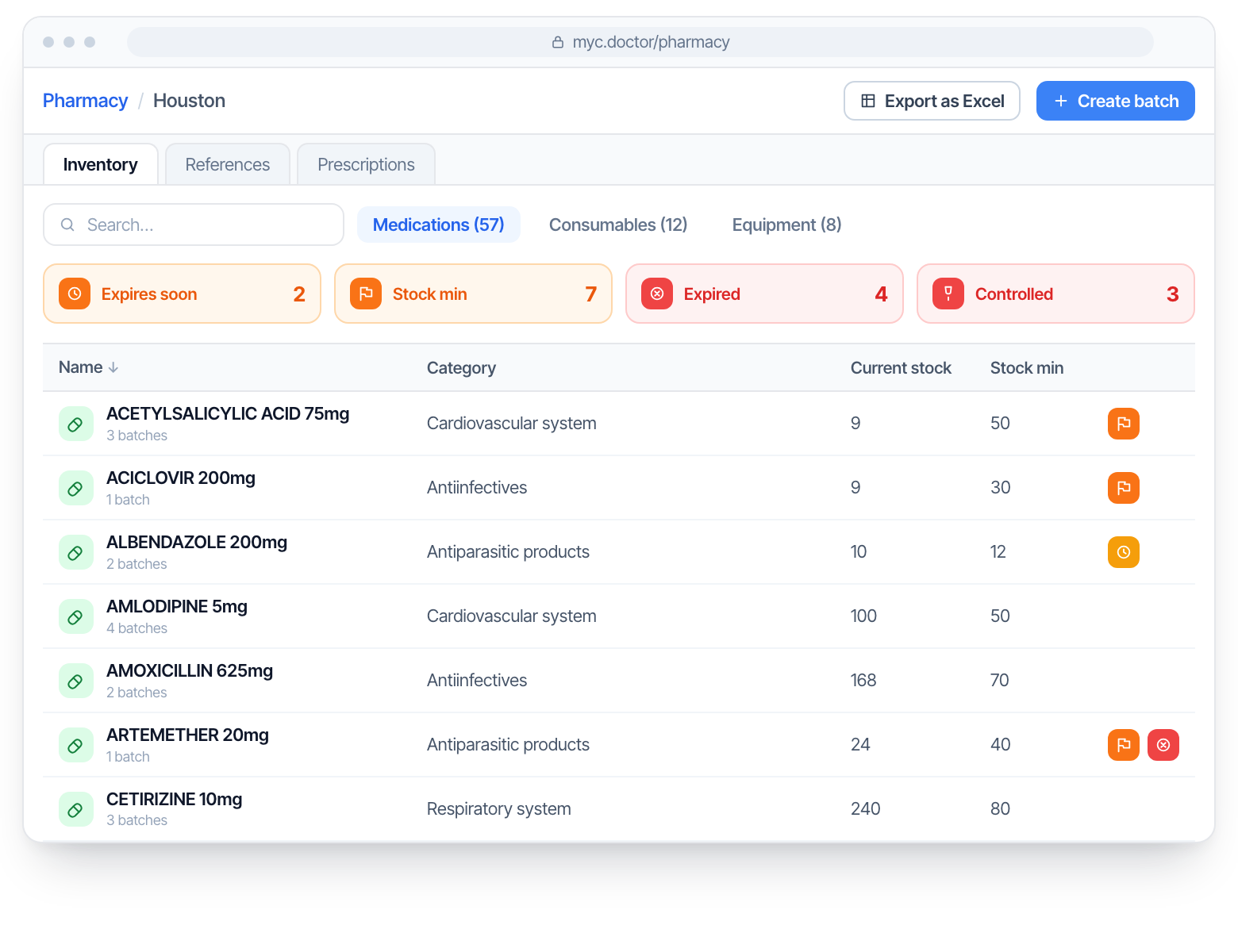
Supply and stock management for medication, consumables, and equipment, linked to prescriptions, with per-site expiry tracking.
Get visibility on health indicators across mines
Site, country and group views for the medical director and HSE, aggregated and anonymized from the same clinical activity: which mine is letting surveillance lapse, seen before an auditor finds it.
Live in two weeks, supported around the clock
Set up in two weeks
Platform configuration to your use cases, data import, and live training of medical teams.
Support 24/7
Live chat in product around the clock, for any question, from any site and any time zone.
Dedicated account manager
A single point of contact sharing performance indicators and best practices to increase the ROI of MyC.
Built for medical operations at scale
Built by doctors, MyC matches the daily clinical work of medical teams on remote sites, clinics, and corporate offices: one platform, one record structure, and reporting from live data.
1M
Electronic Health Records managed
800
sites deployed across 67 countries
24/7
live support
Who uses MyC?
Does MyC cover contractors as well as employees?
Can we run surveillance for silica, noise and diesel exhaust?
How long are the records kept?
Can HSE and HR see workforce health without seeing medical records?
Can a doctor supervise the medic on a remote site?
How long does it take to deploy MyC on a new site?
What does MyC actually save a site?
You’re accountable for workforce health. Make it provable.
Connect medical care to a clearer view of risk, compliance and cost across every site.