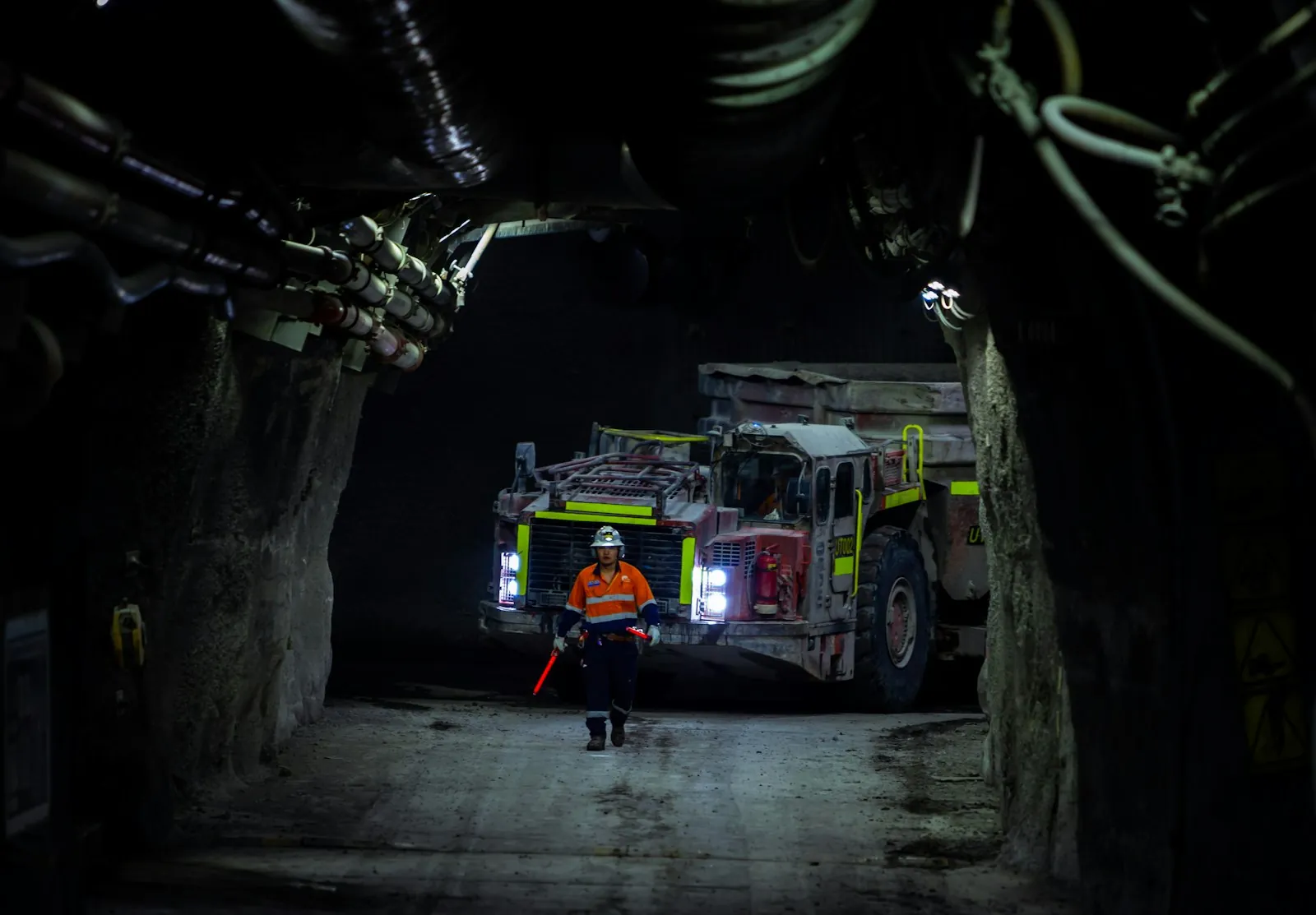
An upstream oil and gas operator runs drilling and construction across four remote sites, with a workforce that rotates between them and is made up of both direct employees and contractor staff.
Every job requires workers to be fit to work. In that region, malaria puts that at risk. The disease is endemic, and cases come in clusters, with several workers falling ill within days of each other.
With MyC, each worker, employee or contractor, has one medical record that follows them across all four sites. The medical team sees malaria cases as soon as they are recorded and can respond fast to limit the disruption to operations.
A spreadsheet that stayed on its site
Before MyC, each site kept its workers’ health data in its own spreadsheet. That worked site by site, and the teams maintained it diligently. But the spreadsheet never left the site where it was made, so when a worker moved sites, their history had to be pieced together again.
One standard, four sites
The operator needed every site to record health the same way. When every medic records consultations, treatment and outcomes in the same template, the data becomes comparable across sites. That gives one real-time view of all four sites to act on malaria cases, fitness-to-work certificates nearing expiry and open cases.
Four requirements mattered most:
- All health data, on every site, in one tool shaped around how the medics already worked.
- Occupational health and primary care in the same system, from vaccinations to fitness-to-work decisions and work-related injuries, kept current.
- A complete record of each worker’s care, including specialist referrals and medical evacuations.
- Reporting across sites to monitor workers’ health and take preventive action.
One record per worker, employee or contractor
Each worker has one record, whether the operator employs them or a contractor does. Their medical history follows them across rotations and sites.
Every medical event is recorded: consultations and diagnoses, prescriptions and results, vaccinations, work-related injuries, and the fitness-to-work decisions that go with them. Each site’s worker list updates as the roster changes, and certificates approaching expiry are flagged to the medics.
The medical team has full access. HR sees fitness-to-work statuses, expiry dates and any restrictions, never the diagnosis behind them.
Primary care, occupational health, case management and pharmacy run in the same system. In the pharmacy, each prescription updates the inventory in real time, so stock on every site is current and visible, including from headquarters, and orders can be sized to actual use.
Built around how the medics already work
Changing the system of record that medical teams use every day, across several sites, can be a challenge.
During implementation, MyC was configured to match how the teams already worked. Checkup and document templates follow the operator’s own formats, adapted per site. A dedicated account manager at MyC supports adoption and the continuous improvement of the platform.
Early detection on one site triggers prevention on the others
Say a worker at one of the camps feels unwell during a shift and goes to the on-site medics, who run a blood smear. The result comes back within the hour. If it is positive, the worker is treated and the diagnosis is logged in their record.
That case is visible to the other sites as soon as it is recorded. Because all four sites work in the same platform, the other camps can step up prevention: pest control, repellent, and testing the workers around the case.
HR and HSE follow the same outbreak on anonymized data, to monitor sick leave and adjust workforce planning.
Case management when a worker leaves the site
Now suppose the case develops into severe malaria and the worker has to be referred to the nearest hospital. From that point, the case is managed in MyC end to end.
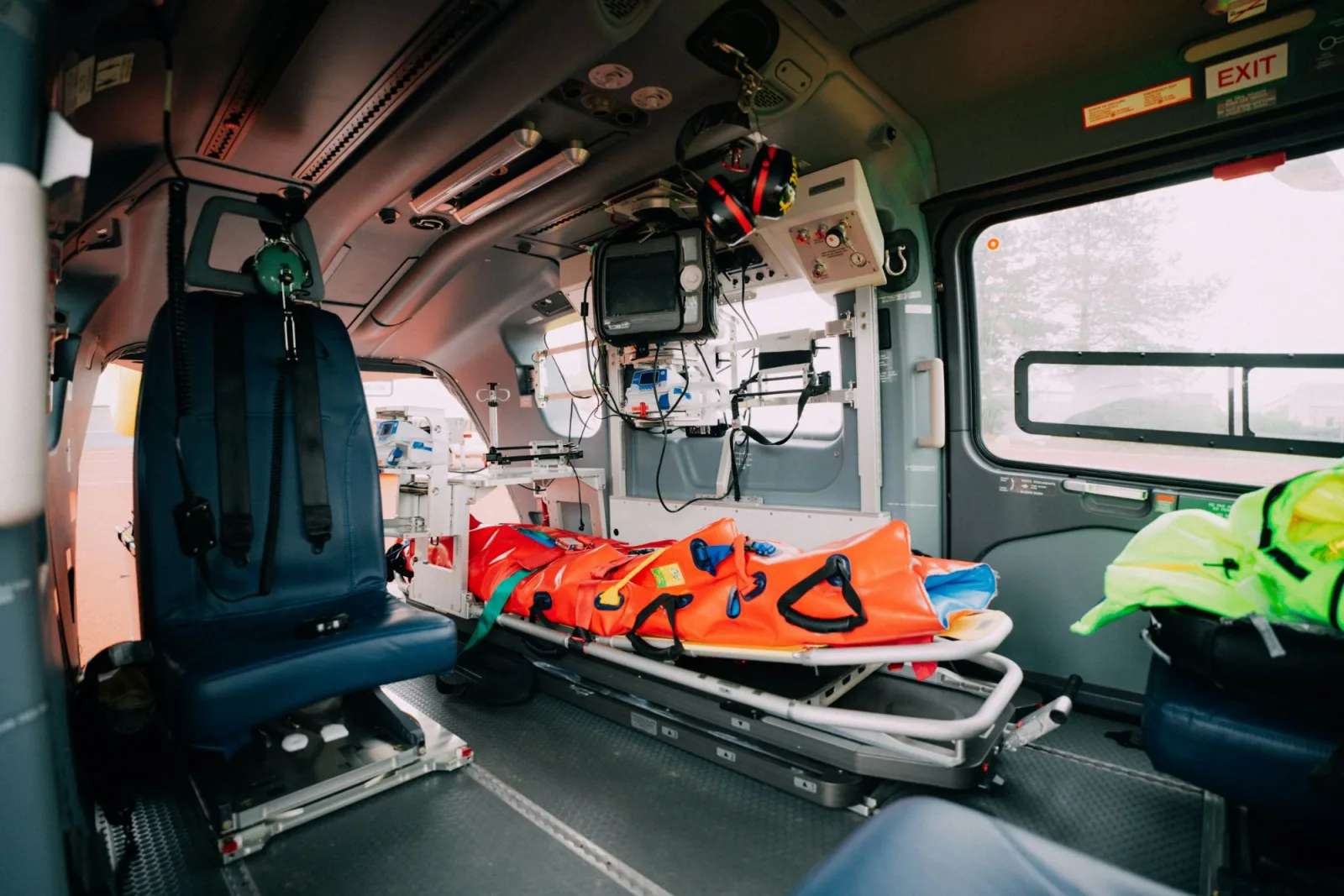
Every document and medical event is logged and timestamped, including the consent form for releasing the medical details the hospital needs.
MyC lets everyone involved work on the case together, with role-based access that keeps medical confidentiality intact. HR can supply the passport number and follow the administrative procedure until the case is closed, without ever seeing the clinical details.
Every exchange is kept in the case file. If an audit or a claim later asks what was done, by whom and when, the file already holds the answer.
What one standard changed
What this operator put in place isn’t really a records system. They already had records, one set per site. What one standard across four sites gave them is time: they can spot a problem as it forms and act to change the outcome.